Welcome to the future of container orchestration! If you’re exploring cloud-native technologies, chances are you’ve encountered Kubernetes Service (AKS). It’s Microsoft Azure’s managed offering that simplifies deploying, managing, and scaling containerized applications using Kubernetes—without the operational overhead.
What Is Kubernetes Service (AKS)?
At its core, Kubernetes Service (AKS) is a fully managed container orchestration service provided by Microsoft Azure. It allows developers and DevOps teams to deploy and manage containerized applications at scale with minimal friction. AKS abstracts away much of the complexity involved in running Kubernetes clusters, such as node management, upgrades, and health monitoring.




Core Components of AKS
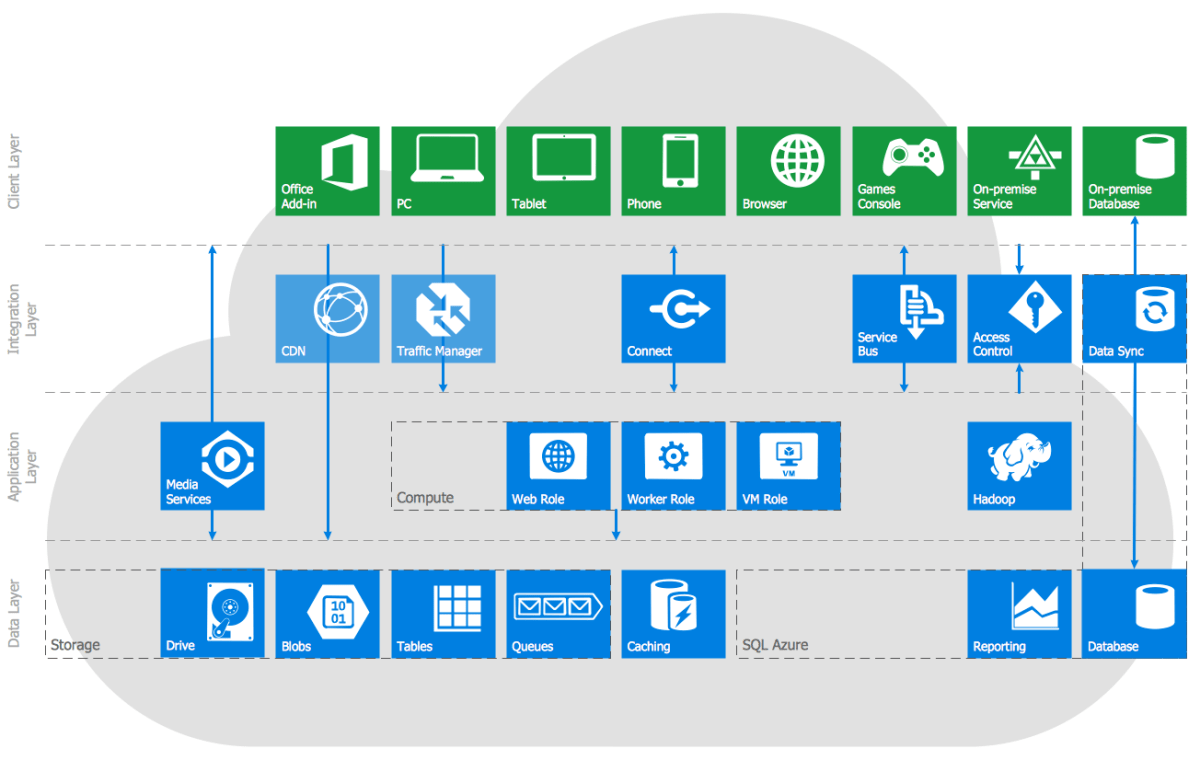
Understanding the building blocks of AKS helps demystify how it operates under the hood. The primary components include:
Kubernetes Service (AKS) – Kubernetes Service (AKS) menjadi aspek penting yang dibahas di sini.
Control Plane: Managed entirely by Azure, this includes the API server, scheduler, and etcd storage.You don’t manage or pay for control plane infrastructure.Node Pools: These are groups of virtual machines (VMs) that run your containerized workloads..
You can have multiple node pools with different VM sizes, OS types, or scaling rules.Kubelet and Container Runtime: Each node runs kubelet (the Kubernetes agent) and a container runtime like containerd to manage containers.”Azure Kubernetes Service (AKS) removes the burden of managing the Kubernetes control plane, letting you focus on building apps, not infrastructure.” — Microsoft Azure Official DocumentationHow AKS Differs from Vanilla KubernetesRunning Kubernetes on your own (often called “self-managed” or “vanilla” Kubernetes) requires significant expertise in cluster setup, networking, security, and ongoing maintenance.AKS streamlines this by offering:.
- Automated Kubernetes version upgrades
- Integrated monitoring via Azure Monitor
- Seamless integration with Azure Active Directory (AAD) for authentication
- One-click cluster creation through the Azure portal, CLI, or Terraform
Compared to self-hosted solutions like kubeadm or Rancher, AKS reduces operational complexity while maintaining full compatibility with the Kubernetes API.
Kubernetes Service (AKS) – Kubernetes Service (AKS) menjadi aspek penting yang dibahas di sini.
Why Choose Kubernetes Service (AKS) Over Other Platforms?
With several managed Kubernetes offerings available—including Amazon EKS and Google GKE—why should organizations consider Kubernetes Service (AKS)? The answer lies in its deep integration with the broader Azure ecosystem, enterprise-grade security, and developer-friendly tooling.
Deep Integration with Azure Services
One of AKS’s standout advantages is its native integration with other Azure services. For example:
- Azure Blob Storage: Easily mount blob containers as volumes using CSI drivers.
- Azure Application Gateway: Use it as an ingress controller for secure traffic routing.
- Azure Monitor and Log Analytics: Gain real-time insights into cluster performance and application logs.
- Azure DevOps
This tight coupling enables seamless CI/CD pipelines, automated backups, and robust networking configurations—all within a single cloud environment.
Kubernetes Service (AKS) – Kubernetes Service (AKS) menjadi aspek penting yang dibahas di sini.
Enterprise-Grade Security and Compliance
Security is a top priority for enterprises, and Kubernetes Service (AKS) delivers with features like:
- Azure AD Integration: Enables role-based access control (RBAC) using corporate identities.
- Managed Identities: Eliminate the need to manage service principal credentials manually.
- Network Policies: Enforce pod-to-pod communication rules using Calico or Azure Network Policy.
- Private Clusters: Deploy AKS clusters with private APIs, accessible only from your virtual network.
Additionally, AKS complies with standards such as ISO 27001, SOC 1/2, HIPAA, and GDPR, making it suitable for regulated industries like finance and healthcare.
Setting Up Your First Kubernetes Service (AKS) Cluster
Getting started with Kubernetes Service (AKS) is straightforward, whether you prefer the Azure portal, Azure CLI, or infrastructure-as-code tools like Terraform. Below is a step-by-step guide to launching your first cluster.
Kubernetes Service (AKS) – Kubernetes Service (AKS) menjadi aspek penting yang dibahas di sini.
Using Azure CLI to Create an AKS Cluster
The Azure CLI is one of the most efficient ways to provision resources. Here’s how to create a basic AKS cluster:
- Install the Azure CLI from Microsoft’s official site.
- Log in using
az login. - Create a resource group:
az group create --name myResourceGroup --location eastus. - Create the AKS cluster:
az aks create --resource-group myResourceGroup --name myAKSCluster --node-count 2 --enable-addons monitoring --generate-ssh-keys. - Connect to the cluster:
az aks get-credentials --resource-group myResourceGroup --name myAKSCluster.
Once connected, you can use kubectl commands to deploy applications, inspect nodes, and manage workloads.
Deploying Applications on AKS
After setting up your cluster, the next step is deploying a containerized application. Let’s walk through deploying a simple Nginx web server:
Kubernetes Service (AKS) – Kubernetes Service (AKS) menjadi aspek penting yang dibahas di sini.
- Run
kubectl create deployment nginx --image=nginx. - Expose the deployment via a load balancer:
kubectl expose deployment nginx --port=80 --type=LoadBalancer. - Monitor the service:
kubectl get servicesuntil an external IP is assigned.
You’ll now have a publicly accessible Nginx server running on your AKS cluster. This process can be extended to more complex microservices using Helm charts or Kubernetes manifests.
Scaling and Auto-Scaling in Kubernetes Service (AKS)
One of the biggest strengths of Kubernetes Service (AKS) is its ability to scale applications dynamically based on demand. Whether you’re handling seasonal traffic spikes or growing user bases, AKS provides multiple layers of scalability.
Horizontal Pod Autoscaler (HPA)
The Horizontal Pod Autoscaler automatically adjusts the number of pod replicas based on CPU usage or custom metrics. To enable HPA:
Kubernetes Service (AKS) – Kubernetes Service (AKS) menjadi aspek penting yang dibahas di sini.
- Ensure metrics-server is installed (enabled by default in AKS).
- Apply a HorizontalPodAutoscaler manifest or use
kubectl autoscale. - Example:
kubectl autoscale deployment nginx --cpu-percent=50 --min=2 --max=10.
This command ensures the Nginx deployment scales between 2 and 10 replicas depending on CPU utilization.
Cluster Autoscaler
While HPA scales pods, the Cluster Autoscaler adjusts the number of nodes in your node pool. It adds nodes when pods can’t be scheduled due to resource constraints and removes them when they’re underutilized.
- Enable during cluster creation or update:
az aks nodepool update --resource-group myResourceGroup --cluster-name myAKSCluster --name default --enable-cluster-autoscaler --min-count 1 --max-count 5. - Works seamlessly with multiple node pools and spot instances for cost optimization.
“The Cluster Autoscaler in AKS ensures you only pay for the compute you actually need, making it a cost-effective solution for variable workloads.” — Azure Architecture Center
Networking in Kubernetes Service (AKS)
Networking is a critical aspect of any Kubernetes deployment. AKS supports multiple networking models, each suited to different architectural needs. Understanding these options helps optimize performance, security, and scalability.
Kubernetes Service (AKS) – Kubernetes Service (AKS) menjadi aspek penting yang dibahas di sini.
Kubenet vs. Azure CNI
AKS offers two primary networking plugins:
- Kubenet: Simpler to configure, assigns IP addresses from a private range. Nodes get one IP, and pods share it via NAT. Best for small to medium clusters.
- Azure CNI: Assigns each pod a direct IP from the virtual network. Enables better integration with existing network policies and services but consumes more IPs.
Choosing between them depends on your IP availability, security requirements, and integration needs.
Ingress Controllers and Load Balancing
To expose services externally, AKS supports various ingress patterns:
Kubernetes Service (AKS) – Kubernetes Service (AKS) menjadi aspek penting yang dibahas di sini.
- Azure Load Balancer: Automatically provisions a public or private load balancer when you create a Service of type LoadBalancer.
- Application Gateway Ingress Controller (AGIC): Integrates with Azure Application Gateway for advanced routing, SSL termination, and WAF protection.
- NGINX Ingress Controller: Popular open-source option, deployable via Helm.
Using ingress controllers allows path-based routing, TLS termination, and centralized traffic management across multiple services.
Monitoring and Logging in Kubernetes Service (AKS)
Effective observability is essential for maintaining reliable applications. Kubernetes Service (AKS) integrates with powerful monitoring tools to provide deep visibility into cluster health and application behavior.
Azure Monitor for Containers
Azure Monitor for Containers is a built-in solution that collects metrics and logs from your AKS cluster. Key features include:
Kubernetes Service (AKS) – Kubernetes Service (AKS) menjadi aspek penting yang dibahas di sini.
- Real-time performance dashboards for CPU, memory, and disk usage.
- Log queries using Kusto Query Language (KQL) in Log Analytics.
- Alerts based on custom thresholds (e.g., high pod restart rate).
To enable it, simply activate the monitoring add-on during cluster creation or enable it later via the portal or CLI.
Custom Logging with Fluent Bit and Loki
While Azure Monitor covers most use cases, some teams prefer open-source logging stacks. AKS supports integration with:
- Fluent Bit: Lightweight log processor and forwarder.
- Grafana Loki: Log aggregation system designed for Kubernetes.
- Elasticsearch + Kibana (EFK): Full-stack logging solution for advanced search and visualization.
These tools can be deployed as sidecars or daemonsets to capture logs from all containers and forward them to centralized storage.
Kubernetes Service (AKS) – Kubernetes Service (AKS) menjadi aspek penting yang dibahas di sini.
Security Best Practices for Kubernetes Service (AKS)
Despite its managed nature, securing your Kubernetes Service (AKS) environment requires proactive measures. Misconfigurations can lead to data breaches or service outages. Follow these best practices to harden your cluster.
Enable Role-Based Access Control (RBAC)
Relying on default permissions is risky. Always implement RBAC to enforce the principle of least privilege:
- Define custom roles for developers, operators, and auditors.
- Integrate with Azure AD to map corporate groups to Kubernetes roles.
- Regularly audit role bindings using
kubectl get clusterrolebindings.
This prevents unauthorized access and limits lateral movement in case of compromise.
Kubernetes Service (AKS) – Kubernetes Service (AKS) menjadi aspek penting yang dibahas di sini.
Use Pod Security Policies (PSP) or Azure Policy for Kubernetes
Pod Security Policies were deprecated in Kubernetes v1.25, but AKS supports Azure Policy for Kubernetes as a modern alternative. It allows you to:
- Enforce policies like “no privileged containers allowed”.
- Block deployments that violate security baselines.
- Audit compliance across multiple clusters.
Policies are defined declaratively and enforced at admission time, ensuring consistent security posture.
Cost Optimization Strategies for Kubernetes Service (AKS)
While AKS reduces management overhead, costs can spiral without proper planning. Understanding pricing models and leveraging cost-saving features is crucial for budget-conscious teams.
Kubernetes Service (AKS) – Kubernetes Service (AKS) menjadi aspek penting yang dibahas di sini.
Use Spot Nodes for Fault-Tolerant Workloads
Spot VMs in AKS offer up to 90% discount compared to on-demand pricing. They are ideal for:
- Batch processing jobs
- CI/CD runners
- Stateless microservices that can tolerate interruptions
Configure spot nodes in a separate node pool and use taints/tolerations to ensure only eligible workloads run on them.
Leverage Reserved Instances and Savings Plans
For predictable workloads, commit to 1- or 3-year terms using Azure Reserved VM Instances. This can save up to 72% over pay-as-you-go pricing.
Kubernetes Service (AKS) – Kubernetes Service (AKS) menjadi aspek penting yang dibahas di sini.
- Apply reservations to node pools with stable sizing.
- Combine with Azure Hybrid Benefit for Windows Server licenses.
- Use Azure Cost Management to track spending and forecast budgets.
These strategies help maintain performance while keeping cloud costs under control.
Real-World Use Cases of Kubernetes Service (AKS)
Organizations across industries leverage Kubernetes Service (AKS) to modernize applications and accelerate innovation. Here are some compelling real-world scenarios.
Migrating Legacy Applications to Microservices
Many enterprises are transitioning monolithic applications to microservices. AKS provides a stable platform for this transformation by:
Kubernetes Service (AKS) – Kubernetes Service (AKS) menjadi aspek penting yang dibahas di sini.
- Hosting containerized components independently.
- Enabling blue-green deployments and canary releases.
- Integrating with service meshes like Istio or Linkerd for traffic management.
For example, a financial institution migrated its core banking system to AKS, reducing deployment times from weeks to minutes.
Running AI/ML Workloads at Scale
AKS supports GPU-enabled nodes, making it suitable for machine learning training and inference. Data scientists can:
- Deploy Jupyter notebooks on AKS.
- Scale training jobs using Kubernetes operators like Kubeflow.
- Integrate with Azure Machine Learning for model tracking and deployment.
This flexibility accelerates experimentation and productionization of AI models.
Kubernetes Service (AKS) – Kubernetes Service (AKS) menjadi aspek penting yang dibahas di sini.
What is Kubernetes Service (AKS)?
Kubernetes Service (AKS) is Microsoft Azure’s managed Kubernetes offering that simplifies deploying, managing, and scaling containerized applications. It handles the control plane management, allowing users to focus on application development.
How does AKS compare to EKS and GKE?
Kubernetes Service (AKS) – Kubernetes Service (AKS) menjadi aspek penting yang dibahas di sini.
While all three are managed Kubernetes services, AKS stands out with deep Azure integration, native support for Azure AD, and seamless connectivity with services like Azure DevOps and Application Gateway. The choice often depends on existing cloud investments.
Is AKS free to use?
AKS itself is free—the control plane is provided at no cost. However, you pay for the underlying infrastructure (VMs, storage, networking) and any additional Azure services used alongside it.
Kubernetes Service (AKS) – Kubernetes Service (AKS) menjadi aspek penting yang dibahas di sini.
Can I run AKS on-premises?
No, AKS is a cloud-only service. For on-premises Kubernetes, consider Azure Kubernetes Service on Azure Stack HCI or VMware vSphere.
How do I secure my AKS cluster?
Kubernetes Service (AKS) – Kubernetes Service (AKS) menjadi aspek penting yang dibahas di sini.
Best practices include enabling Azure AD integration, using managed identities, applying network policies, enabling private clusters, and enforcing security policies via Azure Policy for Kubernetes.
Microsoft Azure’s Kubernetes Service (AKS) is more than just a managed Kubernetes platform—it’s a gateway to cloud-native innovation. From effortless cluster provisioning to enterprise-grade security and intelligent scaling, AKS empowers teams to build resilient, scalable applications. Whether you’re modernizing legacy systems or launching AI-driven services, AKS provides the tools and integration needed to succeed. By following best practices in networking, monitoring, and cost management, organizations can unlock the full potential of container orchestration while minimizing operational overhead. As cloud adoption continues to accelerate, Kubernetes Service (AKS) remains a strategic choice for businesses aiming to stay agile and competitive in the digital era.
Kubernetes Service (AKS) – Kubernetes Service (AKS) menjadi aspek penting yang dibahas di sini.
Recommended for you 👇
Further Reading: