Cloud computing has transformed how businesses operate, and Microsoft Azure stands at the forefront of this revolution. With its robust infrastructure, global reach, and seamless integration with enterprise tools, Microsoft Azure empowers organizations to innovate faster, scale smarter, and secure their digital future like never before.
What Is Microsoft Azure and Why It Matters

Microsoft Azure is a comprehensive cloud computing platform developed by Microsoft, offering over 200 services ranging from virtual machines and storage to artificial intelligence and Internet of Things (IoT) solutions. Launched in 2010 as Windows Azure, it has evolved into one of the world’s leading cloud platforms, second only to Amazon Web Services (AWS) in market share.



Core Components of Microsoft Azure
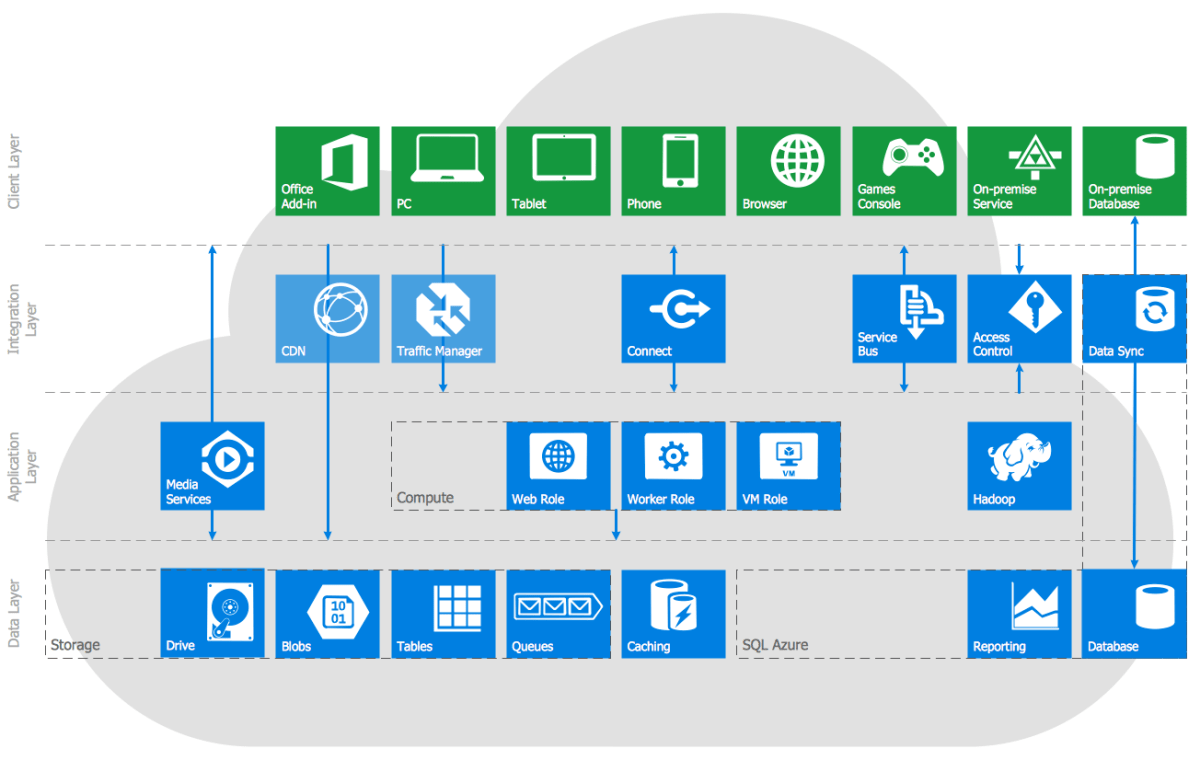
The strength of Microsoft Azure lies in its modular architecture, allowing users to pick and combine services tailored to their needs. Key components include compute resources like Virtual Machines and Azure App Services, networking tools such as Virtual Networks and Load Balancers, and data storage options including Blob Storage, Cosmos DB, and SQL Database.
- Compute: Enables running applications and workloads in the cloud.
- Networking: Connects cloud resources securely and efficiently.
- Storage: Offers scalable, durable, and secure data storage solutions.
These building blocks are designed to be interoperable, making it easier for developers and IT teams to deploy complex systems without reinventing the wheel.
Global Infrastructure and Data Centers
One of Microsoft Azure’s standout features is its vast global footprint. With more than 60 cloud regions across 140 countries, Azure provides low-latency access and compliance with local data regulations. This extensive network ensures high availability and disaster recovery capabilities for mission-critical applications.
“Azure’s global scale allows enterprises to deploy applications closer to their users, reducing latency and improving performance.” — Microsoft Azure Official Documentation
Each region consists of multiple data centers connected via high-speed networks, ensuring redundancy and fault tolerance. This infrastructure supports hybrid cloud models, enabling seamless integration between on-premises systems and the cloud.
Key Benefits of Using Microsoft Azure
Organizations adopt Microsoft Azure not just for its technical capabilities but for the strategic advantages it brings. From cost savings to enhanced security, the platform delivers tangible business value across industries.
Cost Efficiency and Pay-as-You-Go Model
Unlike traditional IT infrastructure that requires significant upfront investment, Microsoft Azure operates on a consumption-based pricing model. Users pay only for the resources they consume, which can lead to substantial cost reductions, especially for startups and small businesses.
- No upfront hardware costs.
- Flexible pricing tiers for different usage levels.
- Reserved instances for long-term savings (up to 72% off).
Azure also offers a Total Cost of Ownership (TCO) calculator that helps businesses estimate potential savings when migrating from on-premises to the cloud. This transparency empowers decision-makers to make informed financial choices.
Scalability and Performance
Scaling applications has never been easier. With Microsoft Azure, businesses can automatically scale up or down based on demand. For example, during peak shopping seasons, an e-commerce site can instantly add more server capacity to handle traffic spikes and scale back when demand drops.
This elasticity is powered by Azure Autoscale and Azure Kubernetes Service (AKS), which manage containerized applications dynamically. The result? Optimal performance without over-provisioning resources.
“Azure enables us to scale our platform globally within minutes, something that would have taken weeks with traditional infrastructure.” — CTO, Global Retail Tech Firm
Microsoft Azure vs. Competitors: How It Stands Out
The cloud market is dominated by three major players: Microsoft Azure, Amazon Web Services (AWS), and Google Cloud Platform (GCP). While all offer robust services, Microsoft Azure differentiates itself through integration, hybrid capabilities, and enterprise focus.
Integration with Microsoft Ecosystem
For organizations already using Microsoft products like Windows Server, Active Directory, Office 365, or Dynamics 365, Azure offers unparalleled integration. This synergy reduces migration complexity and enhances productivity.
- Seamless identity management via Azure Active Directory (AAD).
- Direct connectivity to Office 365 for collaboration tools.
- Support for .NET, SQL Server, and other Microsoft technologies.
This tight integration makes Azure a natural choice for enterprises deeply invested in the Microsoft ecosystem.
Hybrid Cloud Leadership
Unlike AWS and GCP, which are primarily public cloud providers, Microsoft Azure leads in hybrid cloud solutions. Azure Stack allows businesses to run Azure services on-premises, enabling consistent management and governance across environments.
This is particularly valuable for industries like finance, healthcare, and government, where data sovereignty and regulatory compliance are critical. Azure Arc extends this capability by enabling management of any infrastructure—on-premises, multi-cloud, or edge—from the Azure portal.
Learn more about hybrid cloud capabilities at Microsoft Azure Hybrid Cloud.
Essential Microsoft Azure Services You Should Know
With hundreds of services available, navigating Microsoft Azure can be overwhelming. Here are some of the most widely used and impactful services that form the backbone of modern cloud solutions.
Azure Virtual Machines (VMs)
Azure VMs allow users to run Windows or Linux virtual machines in the cloud. They are ideal for lifting and shifting legacy applications, testing environments, or deploying custom workloads.
- Support for both Windows and Linux OS.
- Customizable VM sizes (from basic to GPU-optimized).
- Integration with Azure Backup and Site Recovery for disaster resilience.
VMs can be deployed via the Azure portal, PowerShell, or ARM templates, offering flexibility in automation and management.
Azure Blob Storage and Data Lake
Storing and managing large volumes of unstructured data is a common challenge. Azure Blob Storage provides scalable object storage for text, images, videos, and backups.
Azure Data Lake Storage, on the other hand, is optimized for big data analytics. It supports hierarchical file systems and integrates natively with Azure Synapse Analytics and HDInsight for advanced processing.
“Azure Blob Storage helped us reduce storage costs by 40% while improving data durability.” — IT Director, Media Company
Both services offer tiered storage options (Hot, Cool, Archive) to balance performance and cost.
Security and Compliance in Microsoft Azure
In an era of increasing cyber threats, security is non-negotiable. Microsoft Azure provides a multi-layered security framework that protects data, applications, and infrastructure at every level.
Built-in Security Features
Microsoft invests over $1 billion annually in cybersecurity research and development. Azure comes with built-in protections such as network security groups, Azure Firewall, DDoS protection, and encryption at rest and in transit.
- Encryption using Azure Key Vault for managing cryptographic keys.
- Threat detection with Microsoft Defender for Cloud.
- Secure access control via Role-Based Access Control (RBAC).
These features help organizations meet stringent security requirements without needing to build everything from scratch.
Compliance and Certifications
Microsoft Azure complies with more than 140 international and industry-specific standards, including GDPR, HIPAA, ISO 27001, SOC 1/2/3, and FedRAMP. This makes it easier for businesses to operate in regulated environments.
The Azure Trust Center provides detailed documentation on compliance offerings, audit reports, and data protection policies. Organizations can leverage these certifications to accelerate their own compliance efforts.
Explore compliance details at Microsoft Compliance Overview.
Innovation and AI with Microsoft Azure
Microsoft Azure isn’t just about infrastructure—it’s a platform for innovation. From artificial intelligence to IoT and quantum computing, Azure enables organizations to experiment, build, and deploy cutting-edge technologies.
Azure AI and Machine Learning
Azure Cognitive Services provide pre-built AI models for vision, speech, language, and decision-making. Developers can integrate features like facial recognition, text analytics, and chatbots into applications without deep AI expertise.
Azure Machine Learning Studio offers a drag-and-drop interface for building, training, and deploying machine learning models. It supports popular frameworks like TensorFlow, PyTorch, and scikit-learn.
- Pre-trained AI models for rapid deployment.
- Custom model training with automated ML.
- Responsible AI tools to monitor fairness and transparency.
These capabilities democratize AI, making it accessible to developers and data scientists across skill levels.
Internet of Things (IoT) and Edge Computing
Azure IoT Hub enables secure communication between millions of devices and the cloud. It supports protocols like MQTT, AMQP, and HTTPS, making it compatible with a wide range of hardware.
Azure IoT Edge extends cloud intelligence to edge devices, allowing real-time processing without constant connectivity. This is crucial for manufacturing, logistics, and smart cities where latency matters.
“We use Azure IoT to monitor equipment health in real time, reducing downtime by 30%.” — Operations Manager, Industrial Automation Firm
Learn more about IoT solutions at Azure IoT Hub.
Migrating to Microsoft Azure: Best Practices
Migrating to the cloud is a strategic initiative that requires careful planning. Whether moving a single application or an entire data center, following best practices ensures a smooth transition with minimal disruption.
Assessment and Planning
Before migration, assess your current environment using tools like Azure Migrate. This service discovers on-premises servers, evaluates their suitability for the cloud, and estimates costs and performance impact.
- Inventory all applications and dependencies.
- Classify workloads based on criticality and complexity.
- Define migration goals (e.g., cost reduction, scalability, disaster recovery).
A clear roadmap prevents costly mistakes and aligns stakeholders across IT and business units.
Execution and Optimization
Once planning is complete, execute the migration in phases. Start with non-critical workloads to test processes and refine strategies. Use Azure Site Recovery for seamless replication and failover.
After migration, continuously optimize performance and costs. Use Azure Cost Management + Billing to track spending, set budgets, and identify underutilized resources.
Microsoft provides a comprehensive Cloud Migration Guide to support every stage of the journey.
What is Microsoft Azure used for?
Microsoft Azure is used for a wide range of purposes, including hosting virtual machines, storing data, running web applications, deploying AI models, managing IoT devices, and enabling hybrid cloud environments. It serves as a complete platform for building, testing, deploying, and managing applications through Microsoft-managed data centers.
How does Microsoft Azure compare to AWS?
While AWS has a larger market share and broader service catalog, Microsoft Azure excels in hybrid cloud integration, enterprise support, and seamless connectivity with Microsoft products like Active Directory and Office 365. Azure is often preferred by organizations already using Microsoft technologies.
Is Microsoft Azure secure?
Yes, Microsoft Azure is highly secure, offering built-in encryption, threat detection, identity management, and compliance with over 140 global standards. Microsoft operates one of the most secure cloud infrastructures in the world, with dedicated security teams and continuous monitoring.
Can I use Microsoft Azure for free?
Yes, Microsoft offers a free account with $200 in credits for 30 days and access to over 25 always-free services. This allows users to explore Azure capabilities without upfront cost. Visit Azure Free Account to get started.
What industries benefit most from Microsoft Azure?
Industries such as healthcare, finance, government, education, and retail benefit significantly from Microsoft Azure. Its compliance certifications, hybrid capabilities, and AI tools make it ideal for regulated sectors and organizations undergoing digital transformation.
Microsoft Azure has firmly established itself as a leader in the cloud computing space. Its combination of global infrastructure, enterprise-grade security, seamless integration with Microsoft tools, and innovative AI and IoT services makes it a powerful platform for digital transformation. Whether you’re a startup looking to scale or a large enterprise modernizing legacy systems, Microsoft Azure provides the tools, flexibility, and support needed to succeed in today’s fast-paced digital world. By understanding its core services, benefits, and best practices for migration, organizations can unlock new levels of efficiency, innovation, and growth.
Further Reading: