Ever wondered how cloud environments stay secure and organized? The secret lies in Virtual Networks (VNet). These digital backbones power modern cloud infrastructure, enabling seamless, isolated, and scalable communication between resources—without a single physical cable.
What Are Virtual Networks (VNet)?

Virtual Networks (VNet) are fundamental building blocks in cloud computing that emulate traditional physical networks in a virtualized environment. They allow cloud resources like virtual machines (VMs), containers, and applications to communicate securely and efficiently over isolated network segments. Think of a VNet as a digital version of your office network—but with far greater flexibility, scalability, and control.


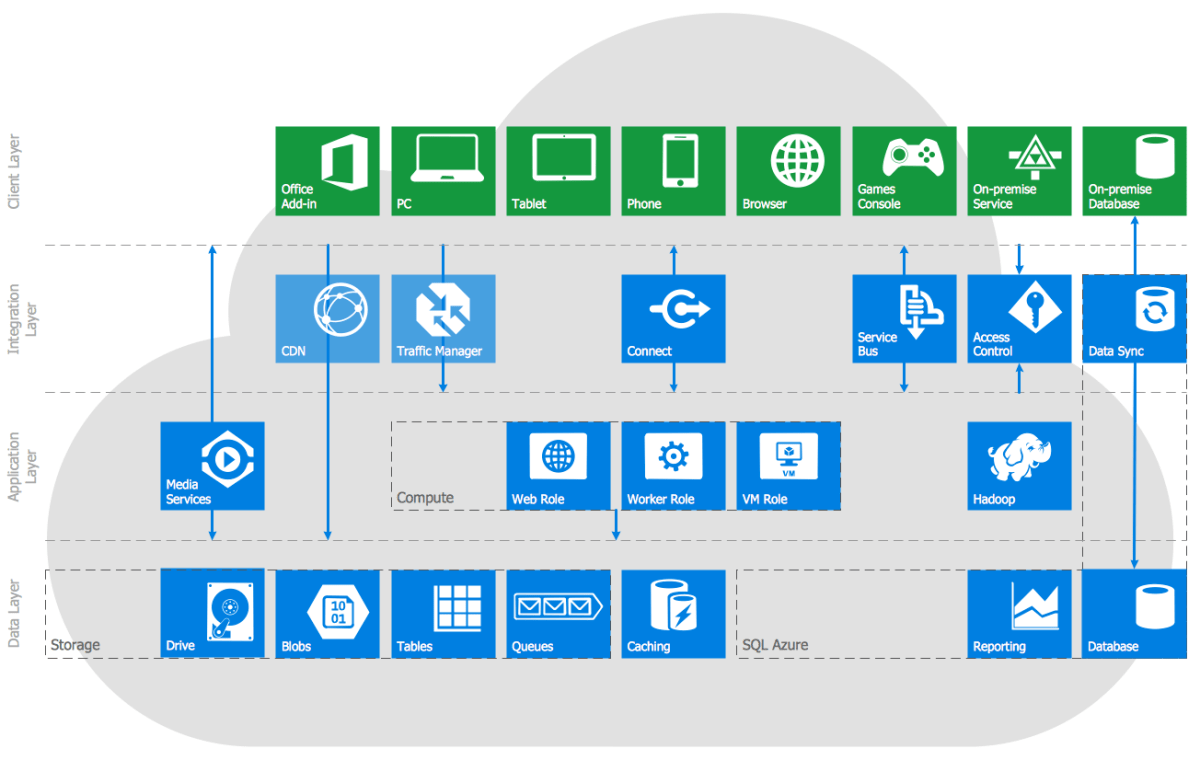
Cloud providers like Microsoft Azure, Amazon Web Services (AWS), and Google Cloud Platform (GCP) all offer their own implementations of Virtual Networks (VNet). In Azure, it’s called Azure Virtual Network; in AWS, it’s Amazon VPC (Virtual Private Cloud); and in GCP, it’s Google Compute Engine Virtual Private Cloud. Despite naming differences, they all serve the same core purpose: creating secure, isolated network environments in the cloud.
Virtual Networks (VNet) – Virtual Networks (VNet) menjadi aspek penting yang dibahas di sini.
Core Components of a VNet
Every Virtual Network (VNet) is composed of several key components that define its structure and behavior. Understanding these elements is crucial for designing and managing effective cloud networks.
Subnets: Subdivisions within a VNet that allow you to segment traffic and apply different security and routing policies.For example, you might have a public subnet for web servers and a private subnet for databases.IP Address Ranges: Each VNet is assigned a private IP address space (e.g., 10.0.0.0/16) using CIDR notation.This range is used to assign IP addresses to resources within the network.Network Security Groups (NSGs): Act as virtual firewalls that control inbound and outbound traffic to resources.
.NSGs use rules to allow or deny traffic based on IP address, port, and protocol.How Virtual Networks (VNet) WorkWhen you deploy a resource like a VM in the cloud, it must be attached to a VNet to gain network connectivity.The VNet routes traffic between resources using internal routing tables and can also connect to on-premises networks via VPN or ExpressRoute..
Virtual Networks (VNet) – Virtual Networks (VNet) menjadi aspek penting yang dibahas di sini.
Data within a VNet travels over the cloud provider’s private backbone, not the public internet, ensuring high performance and security. For instance, when two VMs in the same VNet communicate, traffic stays within the provider’s internal network, reducing latency and exposure to external threats.
“A Virtual Network is the fundamental building block for your private network in Azure.” — Microsoft Azure Documentation
Why Virtual Networks (VNet) Are Essential in Cloud Computing
As organizations migrate workloads to the cloud, the need for secure, flexible, and scalable networking becomes critical. Virtual Networks (VNet) address this need by providing a controlled environment where cloud resources can interact safely and efficiently.
Without VNets, every cloud resource would be exposed to the public internet by default, creating massive security risks. VNets introduce isolation, segmentation, and policy enforcement—key principles of zero-trust security models.
Virtual Networks (VNet) – Virtual Networks (VNet) menjadi aspek penting yang dibahas di sini.
Security and Isolation
One of the primary benefits of Virtual Networks (VNet) is network isolation. Resources in one VNet cannot communicate with resources in another VNet unless explicitly allowed through peering or gateways.
This isolation prevents lateral movement in case of a breach. For example, if an attacker compromises a web server in a public subnet, they still can’t access the database in a private subnet unless specific rules allow it. This principle of least privilege is enforced through subnet design and NSG rules.
Scalability and Flexibility
Traditional networks are limited by physical hardware—routers, switches, and cabling. Virtual Networks (VNet), on the other hand, are software-defined and can scale instantly.
Virtual Networks (VNet) – Virtual Networks (VNet) menjadi aspek penting yang dibahas di sini.
You can create multiple VNets across different regions, connect them via VNet peering, and manage them through code (Infrastructure as Code). This flexibility supports dynamic workloads, microservices architectures, and hybrid cloud deployments.
Key Features of Virtual Networks (VNet)
Modern Virtual Networks (VNet) come packed with advanced features that go beyond basic connectivity. These capabilities empower organizations to build resilient, high-performance, and secure cloud infrastructures.
Custom Routing with Route Tables
By default, VNets use system routes to direct traffic between subnets and the internet. However, you can override these with custom route tables to control traffic flow.
Virtual Networks (VNet) – Virtual Networks (VNet) menjadi aspek penting yang dibahas di sini.
For example, you might route all outbound traffic through a firewall appliance (Network Virtual Appliance) for inspection. This is essential for compliance with regulations like HIPAA or PCI-DSS.
Learn more about custom routing in Azure here.
Network Security Groups (NSGs) and Application Security Groups (ASGs)
NSGs are essential for securing Virtual Networks (VNet). They allow fine-grained control over traffic at the subnet or individual resource level.
Virtual Networks (VNet) – Virtual Networks (VNet) menjadi aspek penting yang dibahas di sini.
Application Security Groups (ASGs) take this a step further by letting you group resources based on their role (e.g., ‘web-servers’) and apply security rules to the group rather than individual IPs. This simplifies management in large environments.
DNS and Service Endpoints
Virtual Networks (VNet) support custom DNS configurations, allowing you to resolve internal hostnames across your cloud environment. You can also enable service endpoints to securely connect to Azure services (like Azure Storage or SQL Database) over the Microsoft backbone instead of the public internet.
This reduces exposure and improves performance. For example, enabling a service endpoint for Azure Storage ensures that traffic from your VNet to storage stays within Microsoft’s network.
Virtual Networks (VNet) – Virtual Networks (VNet) menjadi aspek penting yang dibahas di sini.
Virtual Networks (VNet) in Major Cloud Platforms
While the concept of Virtual Networks (VNet) is universal, each major cloud provider implements it differently. Understanding these differences is crucial for multi-cloud or hybrid strategies.
Azure Virtual Network
Azure Virtual Network is Microsoft’s implementation of VNet. It supports features like VNet peering, gateway transit, and private endpoints. You can deploy VNets across regions and connect them using global peering.
Azure also integrates tightly with other services like Azure Firewall, Application Gateway, and ExpressRoute for advanced networking scenarios.
Virtual Networks (VNet) – Virtual Networks (VNet) menjadi aspek penting yang dibahas di sini.
Explore Azure VNet documentation here.
Amazon VPC (Virtual Private Cloud)
Amazon VPC is AWS’s version of Virtual Networks (VNet). It allows you to define IP ranges, create subnets, and configure route tables and gateways. VPCs can span multiple Availability Zones for high availability.
AWS also offers VPC peering, Transit Gateway for hub-and-spoke architectures, and VPC Endpoints to access AWS services privately.
Virtual Networks (VNet) – Virtual Networks (VNet) menjadi aspek penting yang dibahas di sini.
Check out AWS VPC details here.
Google Cloud VPC
Google Cloud’s VPC is a global resource, meaning a single VPC can span multiple regions without requiring peering. This simplifies network design for globally distributed applications.
It supports shared VPCs for enterprise organizations, allowing multiple projects to share a single VPC while maintaining administrative separation.
Virtual Networks (VNet) – Virtual Networks (VNet) menjadi aspek penting yang dibahas di sini.
Learn more about Google Cloud VPC here.
Advanced Use Cases of Virtual Networks (VNet)
Virtual Networks (VNet) are not just for basic connectivity—they enable sophisticated cloud architectures that support enterprise-grade applications.
Hybrid Cloud Connectivity
Many organizations use a hybrid cloud model, where workloads run both on-premises and in the cloud. Virtual Networks (VNet) make this possible through site-to-site VPNs or dedicated connections like Azure ExpressRoute or AWS Direct Connect.
Virtual Networks (VNet) – Virtual Networks (VNet) menjadi aspek penting yang dibahas di sini.
These connections extend your on-premises network into the cloud, allowing seamless integration of resources across environments.
Multi-Tier Application Architecture
A common use case is deploying a three-tier web application: web servers in a public subnet, application servers in a private subnet, and databases in a protected subnet.
Each tier communicates only with the adjacent tier, and strict NSG rules prevent direct access to the database from the internet. This layered approach enhances security and maintainability.
Virtual Networks (VNet) – Virtual Networks (VNet) menjadi aspek penting yang dibahas di sini.
Disaster Recovery and High Availability
Virtual Networks (VNet) play a key role in disaster recovery setups. By replicating VNets across regions and using VNet peering or global load balancers, you can ensure business continuity during outages.
For example, Azure Site Recovery can replicate VMs from one region to another, including their network configuration, ensuring minimal downtime.
Best Practices for Managing Virtual Networks (VNet)
Proper design and management of Virtual Networks (VNet) are critical for performance, security, and scalability. Following best practices helps avoid common pitfalls.
Virtual Networks (VNet) – Virtual Networks (VNet) menjadi aspek penting yang dibahas di sini.
Plan IP Addressing Carefully
Use non-overlapping IP ranges across VNets to avoid conflicts, especially in hybrid or multi-cloud setups. Reserve large enough address spaces (e.g., /16) to allow for future growth.
Use subnet calculators to plan CIDR blocks efficiently. For example, a /24 subnet provides 251 usable IPs—ideal for a single tier of an application.
Implement Network Segmentation
Divide your VNet into subnets based on function, environment (dev, test, prod), or security level. Apply NSGs to restrict traffic between subnets.
Virtual Networks (VNet) – Virtual Networks (VNet) menjadi aspek penting yang dibahas di sini.
For example, prevent direct communication between development and production subnets to reduce risk.
Use Infrastructure as Code (IaC)
Define your Virtual Networks (VNet) using tools like Terraform, Azure Resource Manager (ARM) templates, or AWS CloudFormation. This ensures consistency, version control, and repeatability.
IaC also enables automated testing and deployment, reducing human error.
Virtual Networks (VNet) – Virtual Networks (VNet) menjadi aspek penting yang dibahas di sini.
Future Trends in Virtual Networks (VNet)
The evolution of cloud computing is driving innovation in Virtual Networks (VNet). Emerging trends are shaping how organizations design and manage their network infrastructure.
Zero Trust Networking
The traditional perimeter-based security model is fading. Zero Trust requires continuous verification of every request, regardless of origin.
Virtual Networks (VNet) are adapting with features like micro-segmentation, identity-based access controls, and integration with identity providers like Azure AD.
Virtual Networks (VNet) – Virtual Networks (VNet) menjadi aspek penting yang dibahas di sini.
AI-Driven Network Management
Cloud providers are integrating AI and machine learning into network monitoring and optimization. For example, Azure Network Watcher uses AI to detect anomalies and suggest improvements.
In the future, VNets may self-optimize routing, predict bottlenecks, and automatically respond to security threats.
Edge Computing and 5G Integration
As edge computing grows, Virtual Networks (VNet) are extending to the network edge. This allows low-latency processing for IoT, AR/VR, and real-time analytics.
Virtual Networks (VNet) – Virtual Networks (VNet) menjadi aspek penting yang dibahas di sini.
5G networks will integrate with cloud VNets to provide seamless connectivity for mobile and distributed applications.
What is a Virtual Network (VNet)?
A Virtual Network (VNet) is a logically isolated network in the cloud that enables secure communication between cloud resources. It functions like a traditional network but is software-defined, offering greater flexibility and scalability.
Virtual Networks (VNet) – Virtual Networks (VNet) menjadi aspek penting yang dibahas di sini.
How do VNets improve security?
VNets improve security by isolating resources, enabling network segmentation, and allowing fine-grained control via Network Security Groups (NSGs). They prevent unauthorized access and limit lateral movement during breaches.
Can VNets connect across cloud providers?
Virtual Networks (VNet) – Virtual Networks (VNet) menjadi aspek penting yang dibahas di sini.
Direct VNet connections across providers (e.g., Azure to AWS) aren’t natively supported. However, you can connect them using site-to-site VPNs, third-party appliances, or cloud interconnect services.
What is VNet peering?
VNet peering allows two VNets to communicate as if they were on the same network. It enables low-latency, high-bandwidth connectivity between VNets in the same or different regions.
Are Virtual Networks (VNet) only for VMs?
No, VNets support various resources including VMs, containers, serverless functions (like Azure Functions), and managed services (like databases and storage), as long as they require network connectivity.
Virtual Networks (VNet) are the backbone of modern cloud infrastructure. From enabling secure hybrid connectivity to supporting global, multi-tier applications, they provide the foundation for scalable and resilient cloud environments. As technology evolves, VNets will continue to integrate with zero trust, AI, and edge computing, shaping the future of digital networks. Whether you’re a cloud architect, developer, or IT professional, mastering Virtual Networks (VNet) is essential for success in the cloud era.
Further Reading: